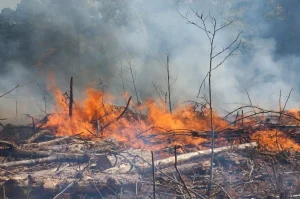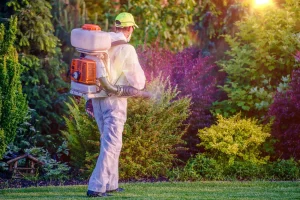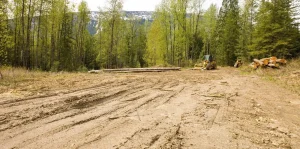
Wildfires and property fires are increasingly becoming a critical concern for homeowners, particularly in regions prone to dry seasons and high temperatures. According to recent statistics, fire incidents in residential areas have surged due to factors such as dense vegetation, climate change, and inadequate landscaping practices. While many property owners focus on fire alarms, sprinklers, and building materials, one often overlooked aspect is the condition and maintenance of trees on their property. Trees, while offering shade, aesthetic appeal, and environmental benefits, can also pose a significant fire risk if left unmanaged. Dead branches, overgrown canopies, and improperly spaced trees can act as fuel, potentially allowing fires to spread rapidly and endanger both lives and property.
Tree services play a pivotal role in mitigating these risks. By implementing targeted interventions such as pruning, thinning, and removal of hazardous vegetation, professional arborists help create defensible spaces that reduce fire hazards. Moreover, these services are not just preventative—they can also enhance the overall health of trees, making them less susceptible to fire damage. Understanding how tree management intersects with fire safety empowers homeowners to make informed decisions and proactively safeguard their property.
Understanding Fire Risks Related to Trees
The Role of Trees in Fire Spread
Trees can significantly influence fire behavior, especially in dry or wildfire-prone areas. Dense foliage, dead branches, and fallen leaves provide ample fuel that allows flames to climb and spread quickly. Overhanging branches near structures increase the likelihood of roof ignition, while closely spaced trees can create a “ladder effect,” enabling ground fires to ascend into the canopy. Recognizing how tree placement, species, and health contribute to fire risk is essential for effective mitigation.
Common Fire Hazards in Residential Areas
Residential fire hazards linked to trees include deadwood accumulation, overgrown vegetation near homes, and low-hanging branches. Electrical lines running through or near trees also pose a dual risk, as damaged branches can trigger sparks or facilitate the rapid spread of fire. Homeowners often underestimate these risks, believing that trees primarily offer aesthetic or environmental benefits without realizing their potential as accelerants in a fire scenario.
Case Study: High-Density Neighborhoods
Consider a suburban area with tightly clustered homes and mature oak trees lining each property. In past wildfire incidents, flames traveled from one backyard to another through the tree canopy. Homes with properly pruned and thinned trees experienced significantly less damage than properties with dense, unmanaged foliage. This example highlights how tree management directly impacts fire spread and property protection.
Creating Defensible Space with Trees
What Is Defensible Space?
Defensible space refers to strategically managed areas around a property that reduce fire risk and provide firefighters a safer environment to operate. This concept includes both vegetation and hardscape considerations, with trees playing a central role in reducing combustible materials near structures.
Zones of Protection
- Immediate Zone (0–5 feet from structures): Keep this area free from trees and combustible shrubs.
- Intermediate Zone (5–30 feet): Maintain pruned trees with adequate spacing; remove dead vegetation and low-hanging branches.
- Extended Zone (30–100 feet): Thin trees and create breaks in dense vegetation to slow fire spread toward the property.
Real-World Example
In California, homeowners who adhered to defensible space guidelines experienced significantly lower property loss during wildfire seasons. Strategic tree thinning, coupled with debris removal, not only slowed fire progression but also allowed emergency crews to protect homes more effectively.
Maintaining Tree Health to Reduce Fire Vulnerability
Why Tree Health Matters
Healthy trees are more resilient to fire and less likely to contribute to fire intensity. Diseases, pests, and drought-stressed trees increase the amount of dry, combustible material, creating greater risk. Maintaining tree health through proper watering, fertilization, and pest management is a proactive step toward fire safety.
Practical Measures for Tree Health
- Irrigation: Deep watering during dry periods reduces stress and prevents drying of branches.
- Nutrient Management: Fertilizing trees based on soil testing helps maintain structural strength and foliage density.
- Pest and Disease Control: Treat infestations promptly to avoid weakened branches that can ignite easily.
Expert Insight
Arborists often recommend integrating health maintenance with fire risk assessment. By addressing tree stress factors, homeowners not only improve landscape aesthetics but also reduce potential fire fuel loads. Regular inspections can identify vulnerabilities before they become hazardous.
Best Practices for Homeowners
Routine Inspections and Maintenance
Regular tree inspections identify hazards such as dead limbs, disease, or overgrowth. Scheduling seasonal maintenance ensures that trees remain healthy and fire-resistant.
Strategic Landscaping Integration
Incorporating fire-resistant trees and plants into the landscape design can reduce overall fire vulnerability. Examples include oak, maple, and certain conifers with lower resin content. Maintaining adequate spacing and avoiding dense plant clusters also mitigates fire spread.
Collaboration with Professionals
Certified arborists bring expertise and equipment to execute pruning, thinning, and removal safely. Partnering with tree service professionals ensures that interventions are effective, timely, and aligned with fire safety guidelines.
Education and Community Engagement
Homeowners can benefit from educational programs about wildfire prevention and defensible space. Communities that adopt coordinated tree management strategies often experience lower fire incidents and enhanced emergency response efficiency.
Future-Proofing Your Property Against Fire
Adapting to Climate Change
Rising temperatures, prolonged droughts, and extreme weather events increase wildfire frequency and intensity. Tree management strategies must adapt to these changes by incorporating drought-tolerant species, sustainable irrigation, and proactive thinning schedules.
Leveraging Technology
Innovations such as aerial drones, thermal imaging, and GIS mapping help assess tree health and fire risk more accurately. These technologies enable precise interventions, reducing human error and optimizing resource allocation.
Long-Term Planning
A comprehensive fire risk reduction plan includes tree management as a central component, integrated with building materials, irrigation systems, and community-level preparedness initiatives. By planning proactively, homeowners can safeguard property value and minimize loss in the event of a wildfire.
Fire risk reduction is an essential component of residential safety, and tree services play a pivotal role in safeguarding properties. Proper tree pruning, thinning, removal, and ongoing health maintenance not only reduce fire fuel loads but also enhance defensible space around homes. Strategic interventions, combined with informed landscaping choices and professional expertise, allow homeowners to proactively manage fire hazards and protect their investment. Considering environmental factors, regulatory guidelines, and evolving climate conditions ensures that fire risk reduction strategies remain effective over time.
Essential Insights for Managing Trees and Fire Risk
Clark’s Tree Works, located in Modesto, California, brings 45 years of professional experience to the field of tree care and fire risk management. Our team specializes in comprehensive tree services designed to safeguard properties from potential fire hazards. From pruning and thinning to expert removal and health assessments, we provide tailored solutions that protect both your landscape and your home. Our extensive experience allows us to identify high-risk trees, implement defensible space strategies, and maintain healthy vegetation to reduce fire vulnerability effectively.
We understand the unique challenges homeowners face in fire-prone regions. Our commitment to safety, quality, and environmental responsibility ensures that every service is performed with precision and care. By combining industry knowledge, advanced equipment, and decades of hands-on expertise, we offer reliable solutions that give homeowners peace of mind. Protect your property, preserve your trees, and reduce fire risk with Clark’s Tree Works—your trusted partner in creating a safer, more resilient landscape.