Preparing a piece of land for construction or agricultural use is a critical first step that can determine the success of any project. Land clearing, the process of removing trees, vegetation, stumps, and other obstacles, ensures that a site is ready for development while minimizing future maintenance challenges. Whether for building a residential community, creating farmland, or establishing a commercial property, understanding the land clearing process is essential for homeowners, developers, and contractors alike.
Despite its importance, many property owners are unfamiliar with what land clearing entails. It is not merely about cutting down trees or leveling the ground; it involves careful planning, environmental considerations, and strategic execution. From assessing the terrain to selecting the right equipment and techniques, every decision impacts the efficiency, safety, and cost of the project. This guide will provide a comprehensive overview of the land clearing process, highlighting the steps involved, the challenges to anticipate, and the best practices for a successful site preparation. By understanding what to expect, property owners and developers can make informed decisions, avoid common pitfalls, and ensure a smooth start to their projects.
Understanding Land Clearing
What Land Clearing Involves
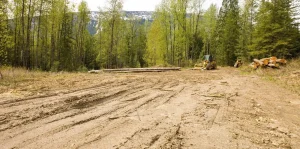
Land clearing is the removal of all obstacles from a plot of land to prepare it for construction, agriculture, or other uses. It includes clearing trees, shrubs, rocks, stumps, debris, and sometimes topsoil depending on the project requirements. The goal is to create a manageable, level, and safe surface for the next phase of development.
Key Objectives
- Site Accessibility: Clearing ensures machinery, workers, and materials can move freely.
- Safety: Removing dangerous vegetation or unstable trees minimizes risk during construction.
- Regulatory Compliance: Many municipalities require permits before removing trees or altering land.
- Project Efficiency: A properly cleared site reduces delays and unexpected costs during construction.
Real-World Example
A residential developer in rural areas may need to clear several acres of overgrown land. By removing underbrush and trees systematically, they can design roads, lay foundations, and establish drainage systems efficiently, saving time and money in the long run.
Clearing Techniques and Equipment
Common Land Clearing Methods
- Mechanical Clearing: Uses heavy machinery like bulldozers, excavators, and mulchers. Ideal for large areas with dense vegetation.
- Manual Clearing: Involves hand tools for small or sensitive areas where machinery may be too invasive.
- Chemical Clearing: Herbicides are applied to remove invasive plants or prevent regrowth. Usually a supplementary method.
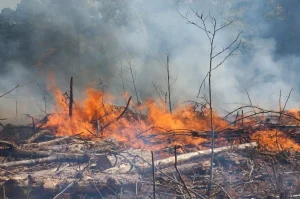
- Controlled Burning: Occasionally used in agricultural or forest management projects but requires strict safety protocols and permits.
Essential Equipment
- Bulldozers and Excavators: Efficient for leveling land and removing large trees or stumps.
- Skid Steers and Backhoes: Versatile for smaller plots and maneuvering in tight spaces.
- Chainsaws and Brush Cutters: Essential for trimming trees, shrubs, and thick undergrowth.
- Mulchers and Chippers: Reduce vegetation to manageable mulch for reuse or disposal.
Expert Insight
Selecting the appropriate method depends on land size, vegetation type, budget, and project objectives. Mechanical clearing is faster but may disturb soil more, whereas manual clearing offers precision but is labor-intensive.
Managing Debris and Stumps
Debris Removal Strategies
Once vegetation is cleared, proper debris management ensures the site is safe, usable, and visually organized for ongoing construction activities. Common strategies include:
- Hauling away timber, rocks, and underbrush: Removing these materials ensures unobstructed access for machinery and workers during future site operations.
- Chipping branches into mulch: This reduces waste volume while providing a sustainable option for landscaping or soil enrichment.
- Composting organic material: Recycling organic matter not only minimizes landfill use but also enhances soil fertility for future projects.
Stump Removal Techniques
Stumps can obstruct construction, cause safety hazards, or encourage regrowth if left untreated, creating long-term issues for the site. Effective removal methods include:
- Grinding: Converts stumps into wood chips efficiently, particularly suitable for multiple stumps across large properties.
- Excavation: Digging out stumps entirely is highly effective, especially for large or deeply rooted trees that hinder development.
- Chemical Treatment: Accelerates decomposition over time, providing a slower but low-labor solution for less urgent clearing.
Challenges to Anticipate
- Hidden roots or rocks may damage machinery and slow down project timelines significantly.
- Wet or marshy soil may complicate stump extraction, requiring additional equipment or manpower.
- Certain tree species have resilient, deep root systems that demand extra effort and careful planning.
Best Practices
- Conduct a thorough post-clearing sweep to identify remaining obstacles and ensure machinery can operate safely.
- Plan debris transport or disposal carefully to minimize environmental impact while optimizing site efficiency.
- Consider recycling cleared wood for firewood, landscaping, or mulch to enhance sustainability practices on-site.
Regulatory Compliance and Safety Measures
Permits and Legal Requirements
Land clearing often requires strict compliance with local, state, or federal regulations to avoid fines or legal issues. Permits may be necessary for:
- Tree removal in protected areas or near waterways
- Controlled burning for vegetation management purposes
- Soil disturbance near wetlands or sensitive ecological zones
Failing to obtain necessary permits can result in substantial fines, project delays, or legal disputes that significantly impact timelines.
Safety Protocols
Land clearing is inherently hazardous, involving heavy machinery, falling trees, uneven terrain, and unpredictable obstacles. Standard safety measures include:
- Personal protective equipment (PPE): Helmets, gloves, boots, and eye protection are essential for all crew members.
- Clear communication among crew members to prevent accidents during complex clearing operations.
- Pre-clearing hazard assessments to identify and mitigate risks before work begins.
- Proper equipment training and maintenance to reduce mechanical failures and ensure operational efficiency.
Expert Insight
Adhering to safety protocols and regulatory requirements protects workers, reduces liability, and ensures a smoother project timeline. Experienced land clearing professionals anticipate potential risks and implement precautions to minimize accidents, environmental damage, and operational delays.
Common Challenges and Solutions
Dealing with Dense Vegetation
Dense brush or old-growth forests can significantly slow clearing operations and increase labor costs. Solutions include staged clearing, mulching, or using specialized machinery designed to handle thick vegetation efficiently.
Managing Slopes and Uneven Terrain
Steep or uneven land complicates machinery operation, increases erosion risks, and challenges drainage. Careful grading, selective clearing, and soil stabilization help maintain slope integrity and prevent soil displacement.
Environmental Considerations
Clearing land near wetlands, habitats, or protected ecosystems requires additional care and planning. Buffer zones, erosion control measures, and strategic replanting maintain ecological balance and reduce regulatory violations.
Cost and Time Management
Unexpected obstacles such as large boulders, hidden stumps, or adverse weather can increase costs and extend timelines. Accurate pre-clearing site assessments and contingency planning reduce budget overruns and schedule delays effectively.
Expert Guidance for Safe and Efficient Land Clearing
Land clearing is a foundational step in site preparation, offering both challenges and opportunities. Proper execution ensures a safe, accessible, and development-ready plot while minimizing environmental impact and long-term maintenance costs. Understanding the stages—from site assessment to debris management, soil preparation, and regulatory compliance—enables property owners and developers to navigate the process confidently and efficiently.
For property owners in Modesto, California, Clark’s Tree Works brings 45 years of experience in professional land clearing and site preparation. With a focus on safety, precision, and environmental responsibility, the team ensures that each project, whether residential, commercial, or agricultural, is executed with expert care. Their comprehensive services, modern equipment, and deep understanding of local terrain make Clark’s Tree Works a trusted partner for any development project. By relying on seasoned professionals, clients can achieve a clear, level, and well-prepared site while avoiding common pitfalls and ensuring long-term success.